
Growing concern over the transportation and spreading of biosolids continues to raise questions among citizens and government officials alike.
Documents obtained by The News Observer shed light on some concerns, while related questions went unanswered.
The “Copperhill Reclamation Pilot Project” (CRPP) proposal by Denali Water Solutitions was provided by the Tennessee Department of Environment and Conservation (TDEC).
In a related article this week, Polk County Executive Robby Hatcher says he asked for the same document from Denali representatives, but it has never been provided.
The document specified the source of “the municipal wastewater residuals” (biosolids) for the Copperhill project would come from the South Cobb, Noonday and Northwest Wastewater Reclamation Facilities in Cobb County.
Transportation was promised “via sealed trailer trucks.” A photo appearing in The News Observer May 31 showed a trailer leaking a large amount of liquid onto the pavement after being stopped by law enforcement officers.
The CRPP also said, “Extra steps have been taken to prevent trucks from traveling through downtown Copperhill.”
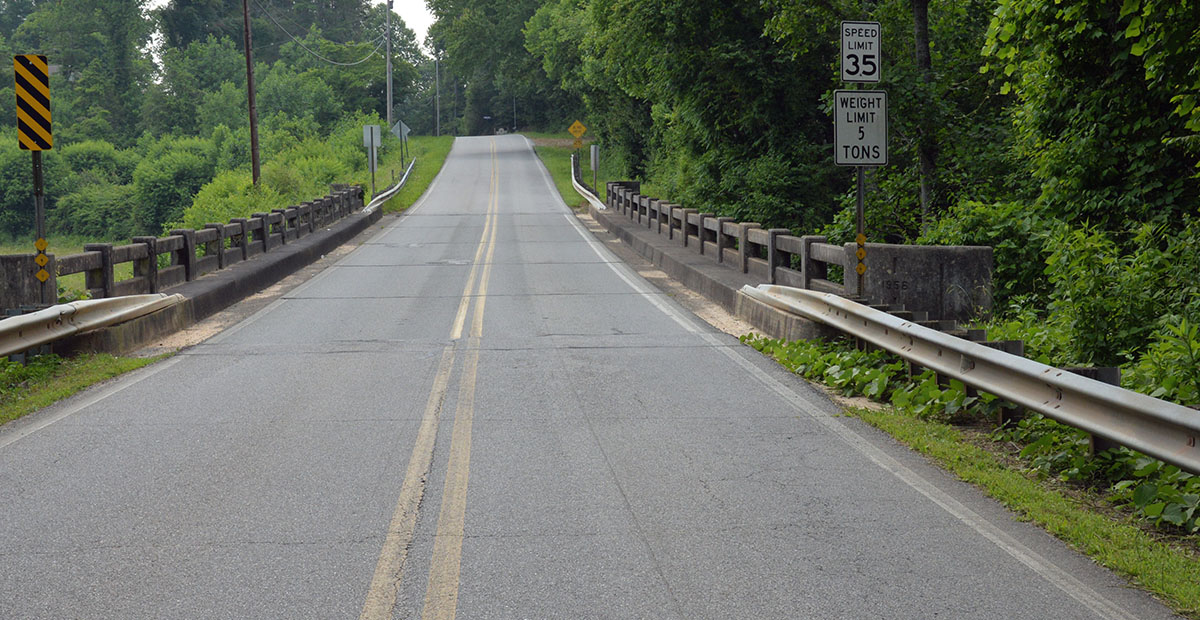
In an “A to B” map included with the CRPP document, the transportation route took trucks onto Old Highway 5 just north of Abernathy’s Furniture, then right onto Madola Road for four miles, before turning right onto Mobile Road. This route directed trucks over the Fightingtown Creek Bridge on Madola Road that has a weight limit of five tons.
The route turned off Mobile Road, making its way through the Grassy Creek section of East Polk County before reaching the destination in Copperhill.
There were no documents to indicate the route that saw trucks being stopped by McCaysville Police and a state Motor Carrier Compliance Division officer after traveling on West Tennessee Avenue.
The pilot program document goes on to say processing may take place seven days a week, but biosolids should be processed the same day they arrive. The pilot project does allow for an extended hold time of five days for biosolids if necessary.
The CRPP says, “The delivery and storage of the dewatered residual shall be handled in a manner, which will not create a nuisance or be harmful to the public health, safety or the environment.”
There is no indication in the document when the pilot program will end.
The News Observer emailed Copperhill Industries owner Buddy Haynes and asked, “...you estimated 83 acres out of 103 to be reclaimed under the EPA agreement had been completed. How much longer will it take to reclaim the remaining acres? Will the Class A E/Q biosolids make the process faster than the Class B biosolids...?”
A second question was, “Once you meet the EPA requirements, will that be the end of biosolid spreading at Copperhill Industries?”
The email also asked if the recently reported smells resulted from the last of the Class B biosolids being mixed with the Class A E/Q product and spread, and if the promised July 1 deadline for the smell disappearing was still firm.
Haynes failed to respond to any of the questions, which were also copied to Sarah Mickens-Haynes as she had requested.
The News Observer also obtained the contract between Denali Water Solutions and Cobb County, Georgia.
The contract between the two for the biosolids handling and disposal for the Noonday and Northwest Water Reclamation Facilities, which create the biosolids sent to Copperhill Industries, is for eight years. The contract was signed December 19, 2022, and calls for an initial term of four years with four one-year extension options.