
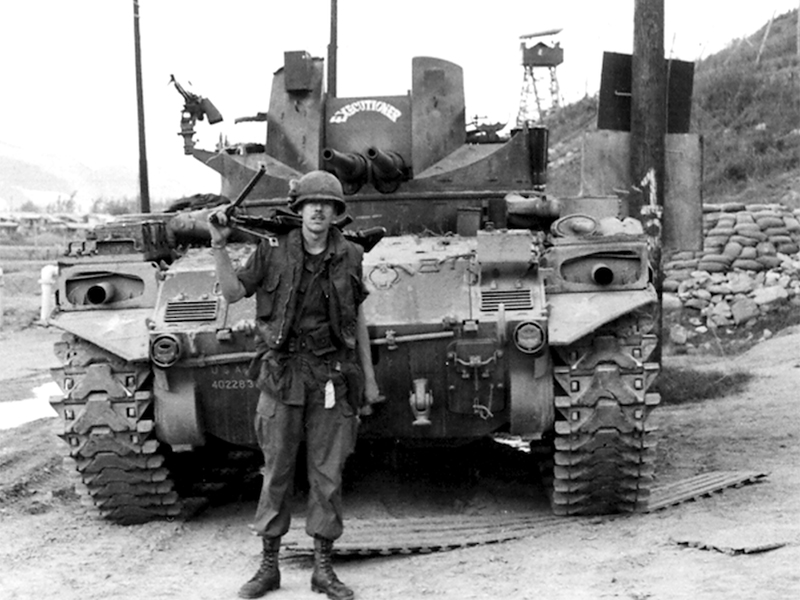
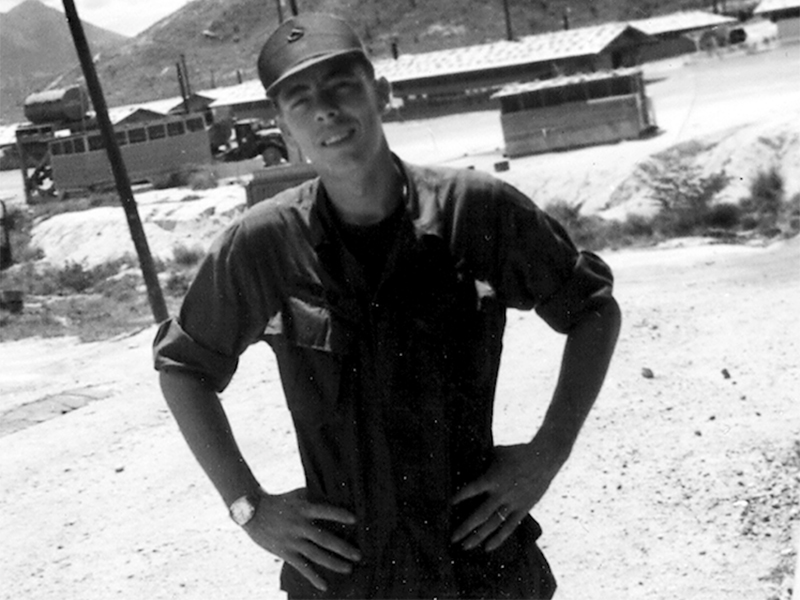
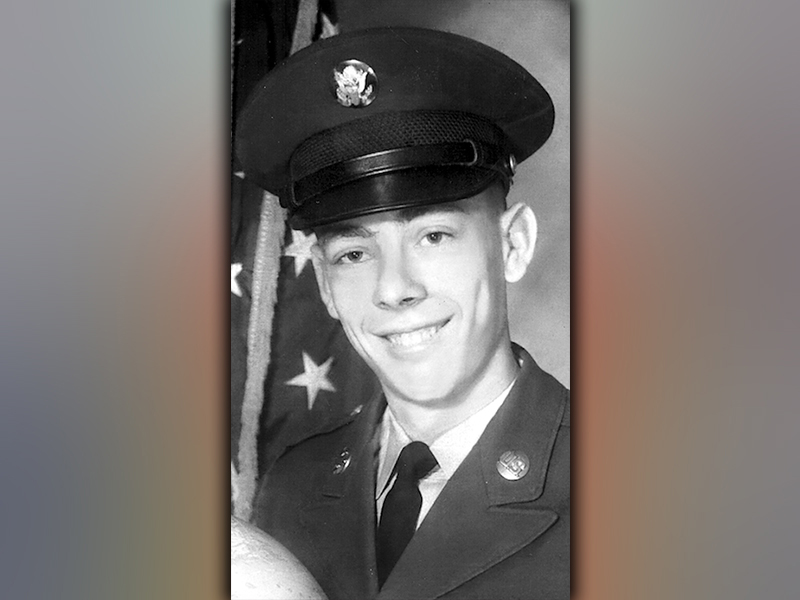
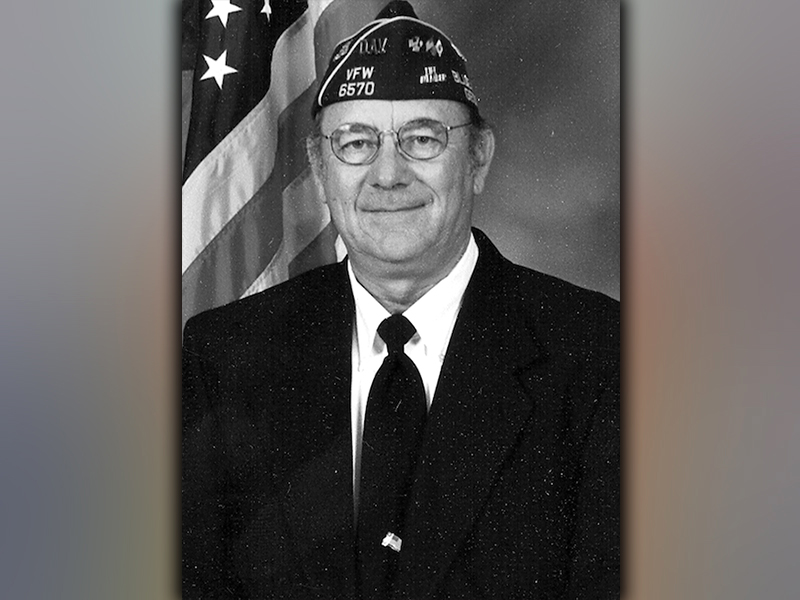
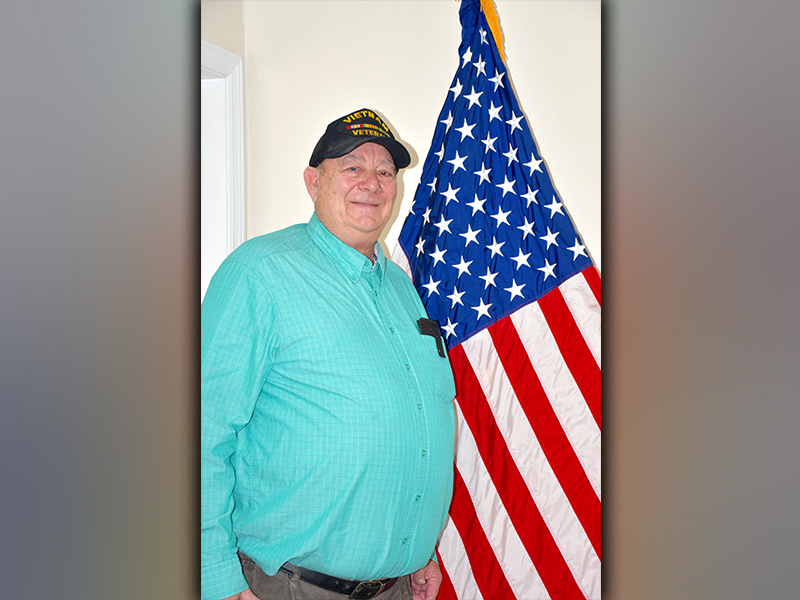
“I didn’t ask for any of them, but I’m going to tell ya, I earned every one of them,” Army veteran Paul Hunter said in regards to the medals he has received due to his service in the Vietnam War.
While Hunter, a Fannin County native, has received enough military awards and decorations to be buried in Arlington Cemetery, the awards are not what is important to him. Since leaving military service, he has dedicated a great deal of his time to helping other veterans.
“My goal here is to help veterans,” he said. “Veterans will talk to veterans when they will talk to nobody else.”
He, like many other veterans in his generation, feel it is important to help the later generations of veterans find their way once they leave the service, because they know exactly what it is like to not be given the help and guidance to seek the benefits they earned.
“When I got out of the service, they told me nothing,” Hunter said. “When they (younger generation) get off the plane, we’re telling them what they need to do. We’re helping them. … I mean it took me 10 years to get my disability. I had to go down the line, and I learned the hard way what to do and what not to do. We learned the hard way, so we’re showing them the shortcuts, because they’re entitled to just as many benefits. I don’t care whether you served in combat or not.”
Hunter is a member of every local veteran organization and holds leadership roles in many of them. According to his fellow veteran, Ray Arthur, Hunter is “extremely instrumental” in all the organizations do in the community.
Hunter’s time in the United States Army began in 1970.
“I was drafted, but it didn’t start out that way,” Hunter said with a laugh because he had already had every intention of enlisting as he is from a family of military men.
His father, uncle and grandfather even served in the same unit under General George Patton during World War II.
He went in thinking he would work on big trucks and tanks, but he was quickly moved to an infantry unit. He was actually classified as “lost” because of the last-minute decision to assign him to the new unit.
“They come around to us and said, ‘You, you, you and you,’” he said. “That’s how I got lost for six and a half months. I’ve got a letter from them saying I wasn’t even in Vietnam. They knew I was in Vietnam, but they don’t know where.”
During that six and a half months, he, and typically a group of eight other soldiers, set up ambushes in various places.
“That’s all we done late at night,” he said. “We set them up at the Ho Chi Minh Trail, Cambodia, Laos, anywhere there was a lot of movement with the North Vietnamese. That’s where we went. Sometimes we’d stay three days, sometimes five days. I’ve stayed as long as nine days in the Vietnamese field.”
These missions sometimes resulted in hand-to-hand combat, which has left him with powerful memories that, even more than 50 years later, he knows he will never forget.
“Sometimes it was good, and we’d get there before they did, but a lot of times we’d walk into it,” he said. “We walked into one in Cambodia. We hadn’t got more than 300 or 400 yards across it, and we just walked right into that ambush. It was a big fight for a while. … Sometimes we were lucky and all of us would go back, and sometimes we wasn’t. I got some friends’ names on the wall.
“We fought hand to hand. That’s it. You don’t forget it.”
Following those six and a half months, Hunter moved to work on a wrecker. Due to his combat experience, he was often included in repair trips where enemy forces were expected to be.
In total, Hunter spent six years in the Army. Like many veterans who returned home from Vietnam, Hunter was met with a lot of hate from people who protested the war.
“I enjoyed my service time,” he said. “I’d do it over again if I had to, but I don’t think that president done us right. I don’t think it was right doing those Vietnam vets the way they done ‘em. We got treated dirty when we come back. That’s just the facts of it.”
There’s one group of people who Hunter thinks often go unnoticed, but deserve the most praise – military wives.
“The hero in the bunch of it, I’m going to tell you, is a woman who stood by their man when they served in Vietnam,” he said. “You’ve got to give the women credit. I do. I’ve been married almost 53 years, and I went through alot.”
He and his wife, Charlotte, have been married since 1968, and share three children.
Following his time in the service, Hunter spent 25 years working for the City of Copperhill before retirement.
He would encourage any young person to join a branch of the military and “see the world.” He said, “The military can be a good thing for these young kids.”
He also hopes more veterans living in the community will find a place in one of the many veteran organizations and help the organizations grow so they can continue to help other veterans in need.
Those interested in the organizations can email Ray Arthur at fanninveterans@yahoo.com or learn more on the Fannin County Veterans Organizations Facebook page.