
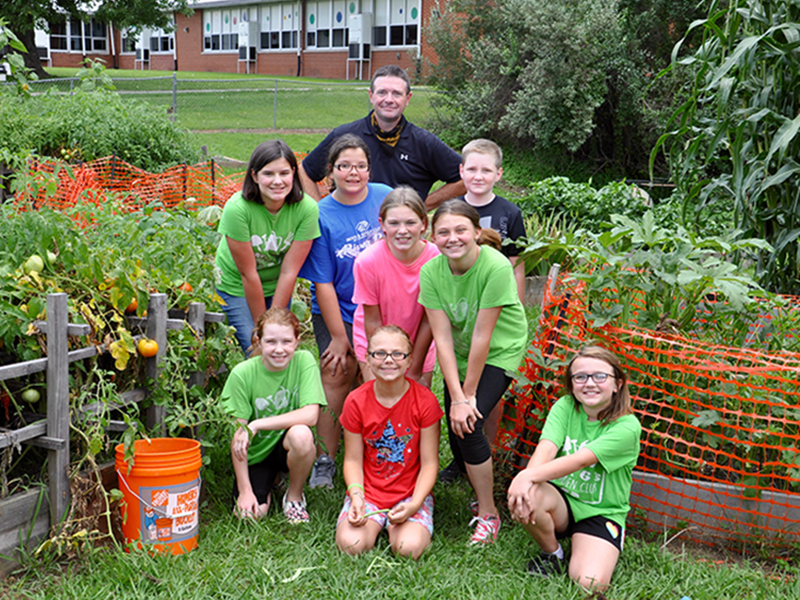
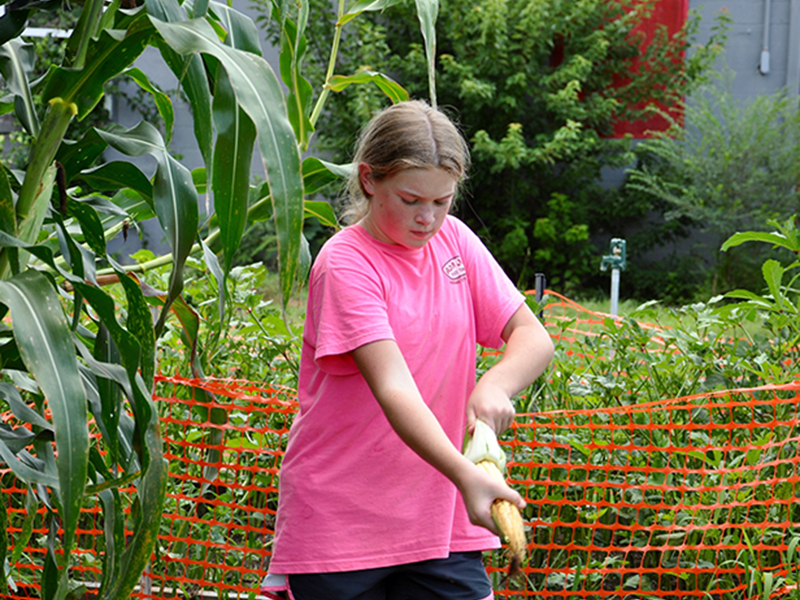
Copper Basin Elementary School (CBES) has a club that provides students the knowledge to sustain themselves while keep ing themselves nourished as well.
CBES’ Garden Club was introduced about four years ago, told club advisor and fifth grade teacher Gerome Smith.
Since, the garden has quadrupled in size, he added.
“We try to grow and expand each year because I figured if you get more food, you can help more people,” he said.
Although the garden is at the elementary school, Smith said he doesn’t discriminate against older students who want to join in.
In fact, he has a few middle schoolers who help out in the garden.
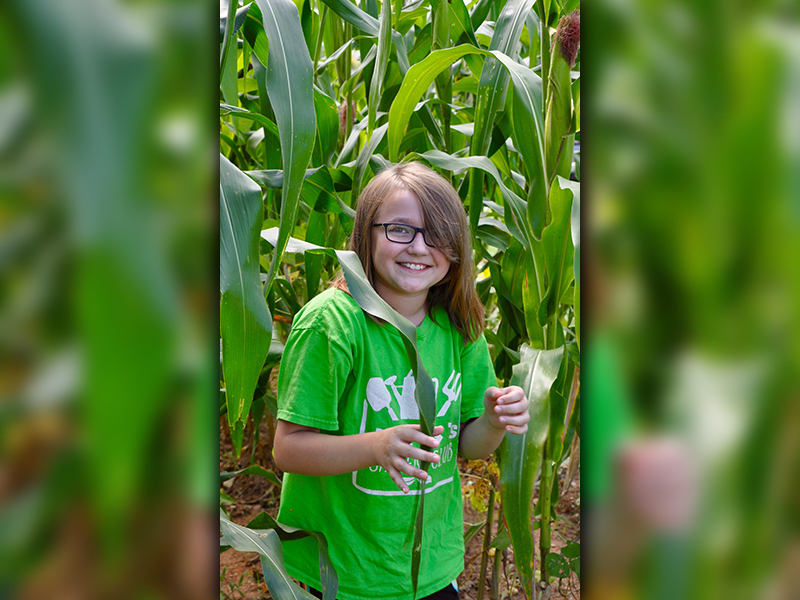
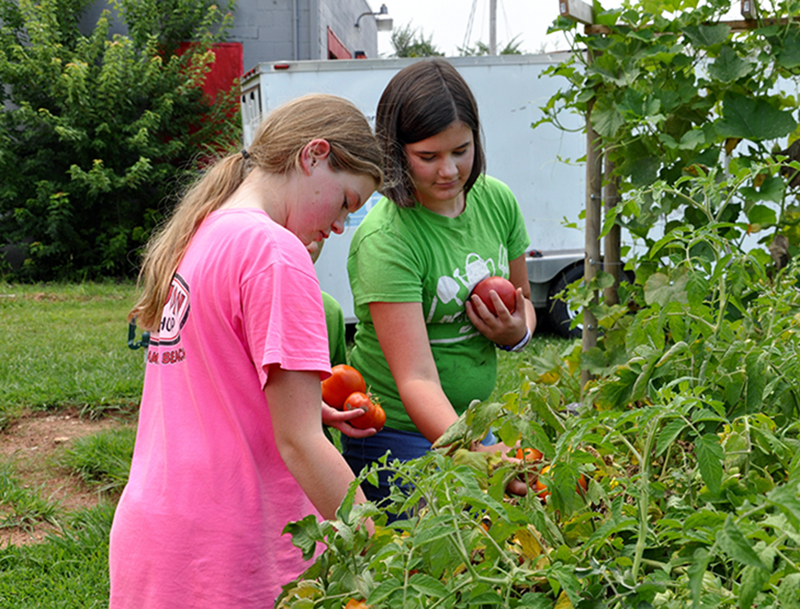
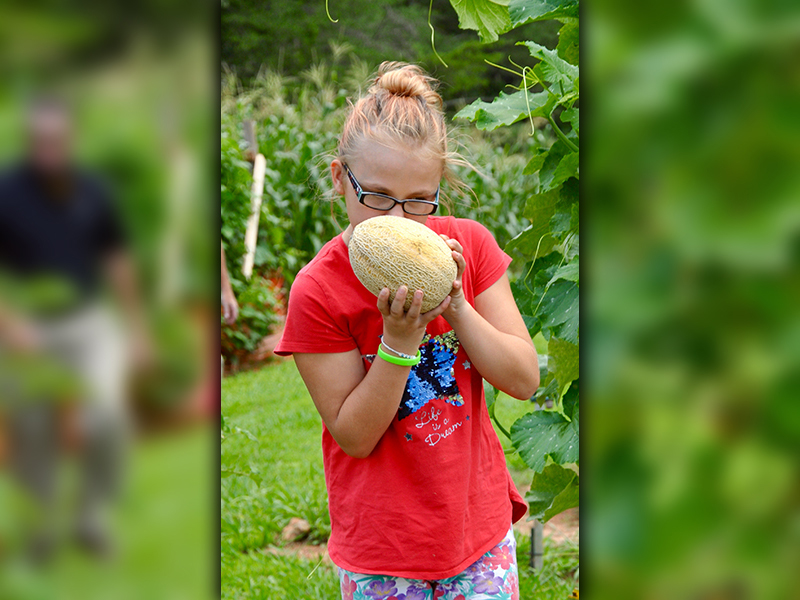
The young gardeners have managed to harvest pumpkins, cucumbers, tomatoes, squash, corn, bell and banana peppers, strawberries, watermelon, cantaloupe and more!
“We’ve harvested over 100 onions already,” Smith said.
The potato beds are raised, which serves as a compost, Smith said.
By having raised beds and non-raised beds, the gardeners are able to see a difference in production and will conduct soil samples to see where they’re deficient.
Out in the field, the students are learning composting, fertilizing and conservation.
“They catch onto that really well,” Smith said.
In the garden, gourdes are even flourishing, which the gardeners will use to create birdhouses in the future.
Eight foot tall sunflowers and other flowers are also present to attract pollinators.
A “Monarch Waystation” can be found amongst the crops, which include “milkweeds, nectar sources and shelter needed to sustain monarch butterflies,” signage reads.
The station is even certified and registered by Monarch Watch as an official Monarch Waystation.
The station was a partnership with Glenn Springs in Ducktown.
In the sweltering August heat, the young gardeners paid no mind to the sweat dripping from their foreheads as they picked the produce and shucked corn.
A “fat” groundhog seems to be the biggest threat to these youngins’ garden as it tends to feast on their tomatoes, cucumbers and strawberries.
What food the groundhog doesn’t consume is given back to the community.
The gardeners get to take the food they produce home if they desire, otherwise, it is given to those in the community who have expressed a need.
In the future, Smith hopes to be able to provide the school with enough salad fixings to use during lunches.
A greenhouse is currently in the works.
“We want to be able to garden year round,” Smith said. “We mainly work off of grants and anyone who donates.”
With that said, anyone interested in helping these kids’ garden continue to expand and flourish are welcome to reach out to the school at 423-496-3271.